Chicano tattoo stencils
Ten Chicano designs drawn for fine-line black and grey work, from praying hands to a sugar skull. None of them is quick: defaults run from 4.5 to 7 in.
 5.50 in5.50 in
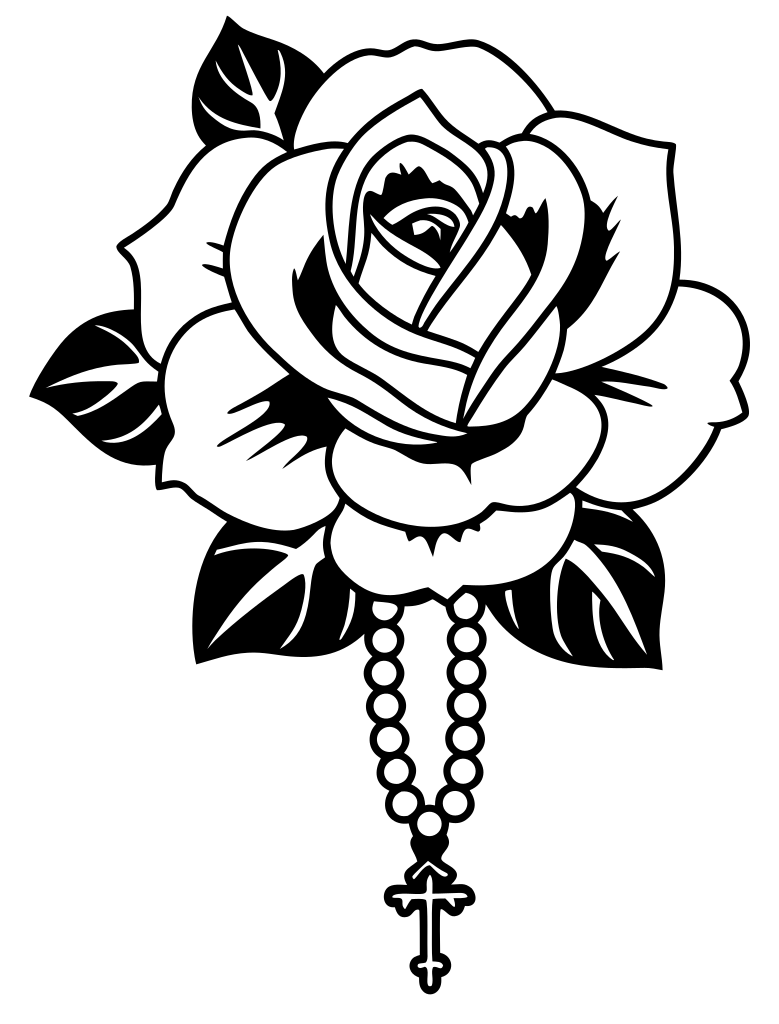
Chicano rose with rosary
5.5″Chicano rose with rosary
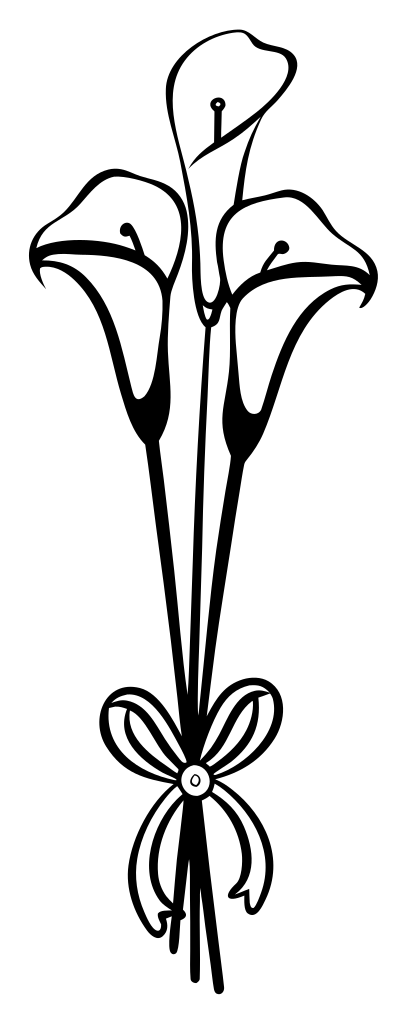 5″
5″Chicano calla lilies
 5.5″
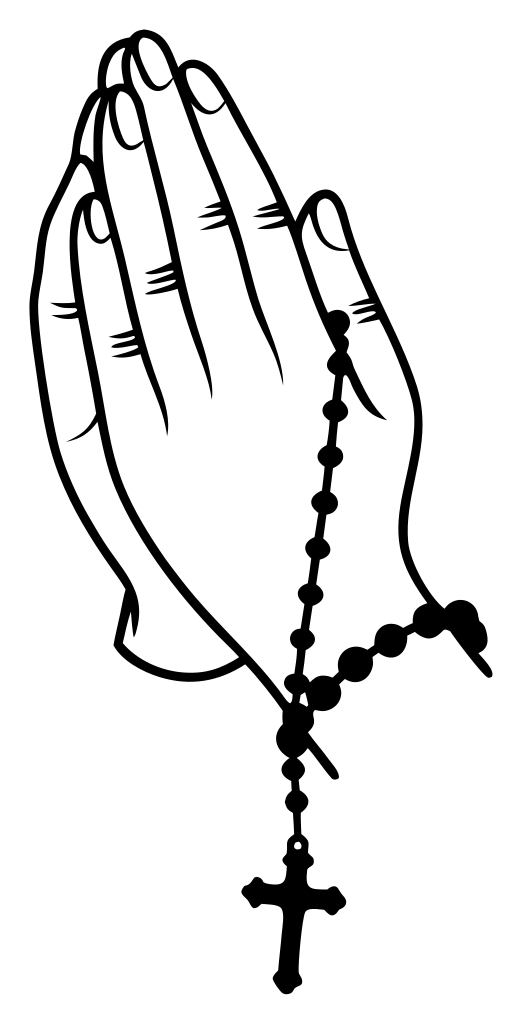
5.5″Praying hands with rosary
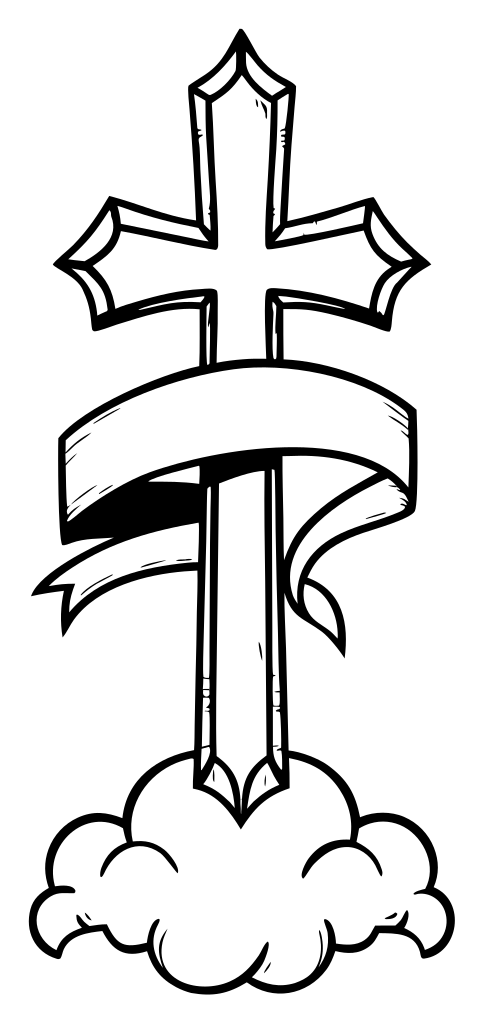 7″
7″Tall cross with banner
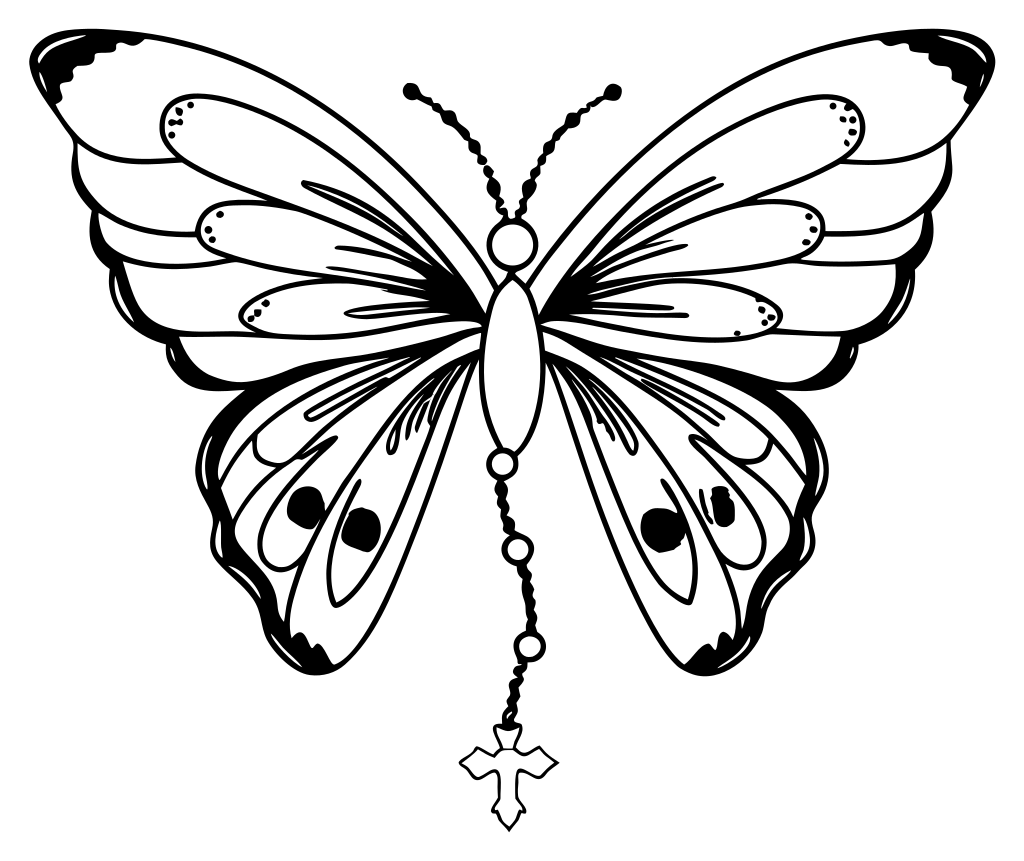 4.5″
4.5″Chicano butterfly with rosary
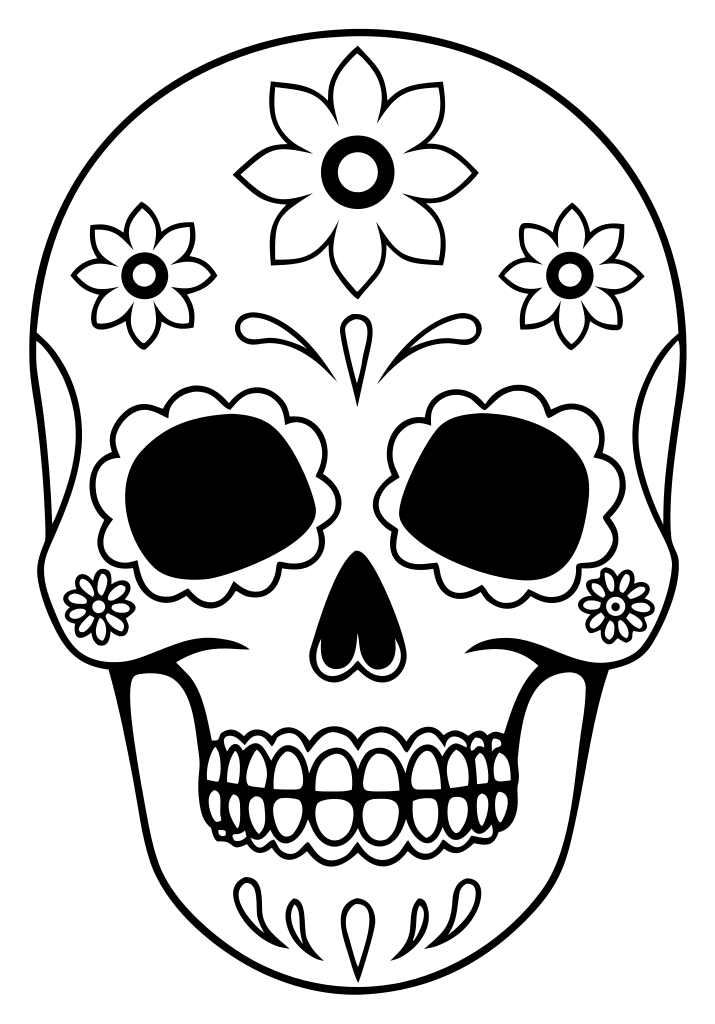 4.5″
4.5″Sugar skull
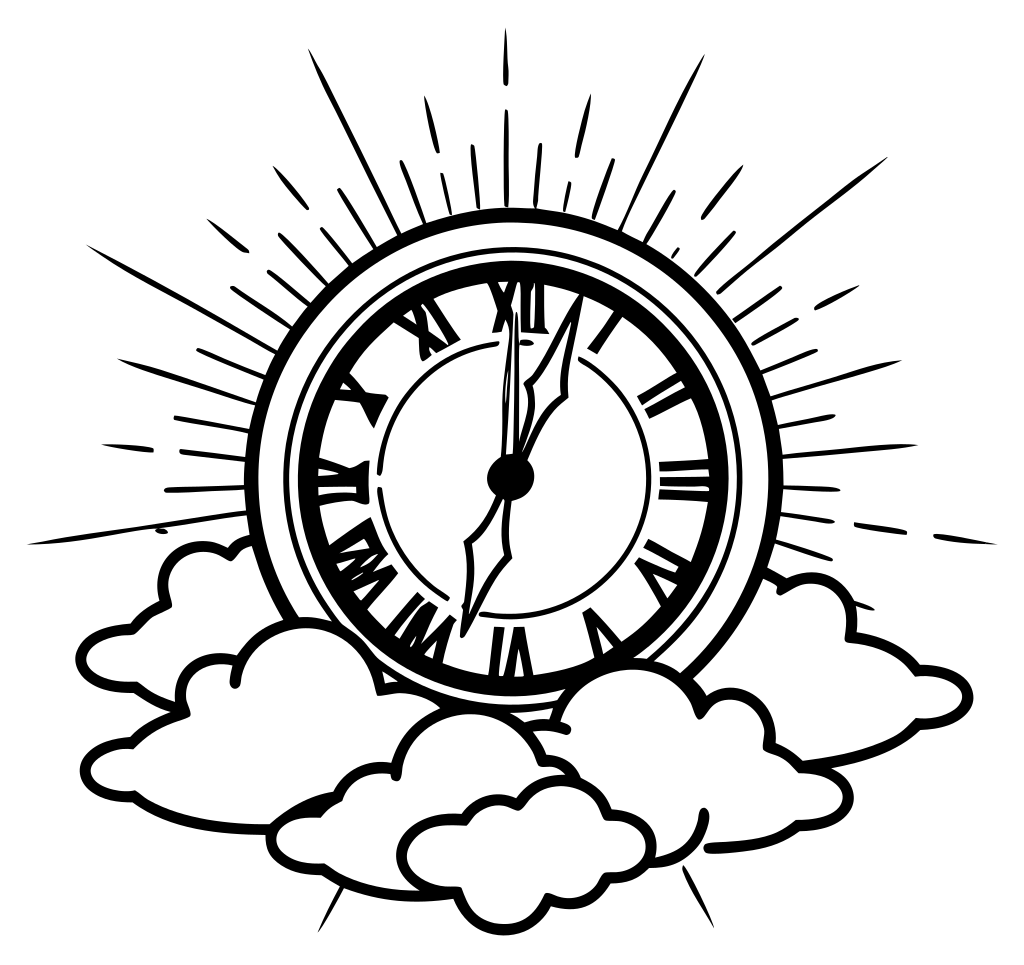 5″
5″Chicano clock with clouds
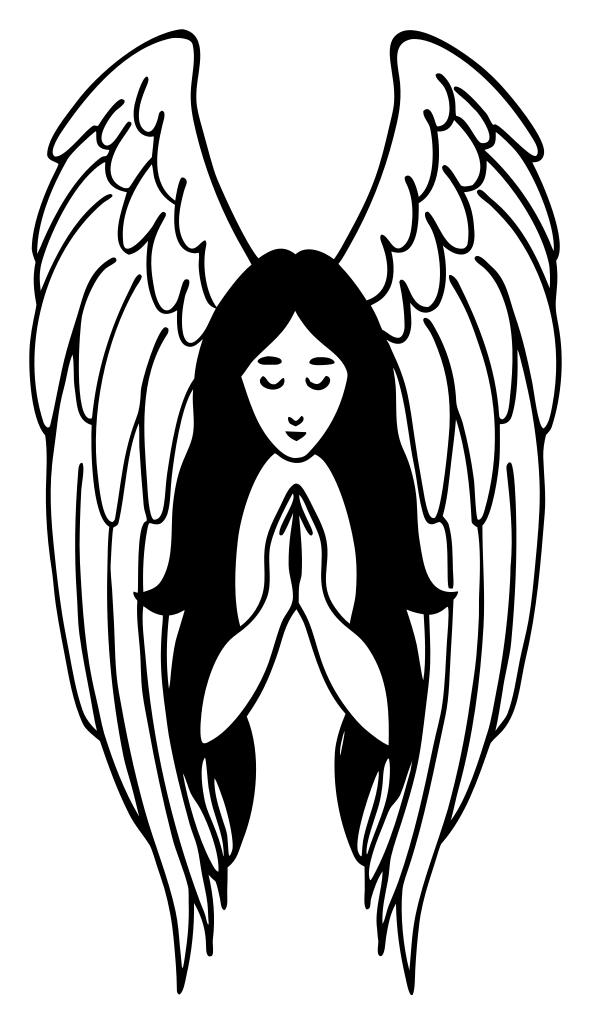 7″
7″Chicano praying angel
 4.5″
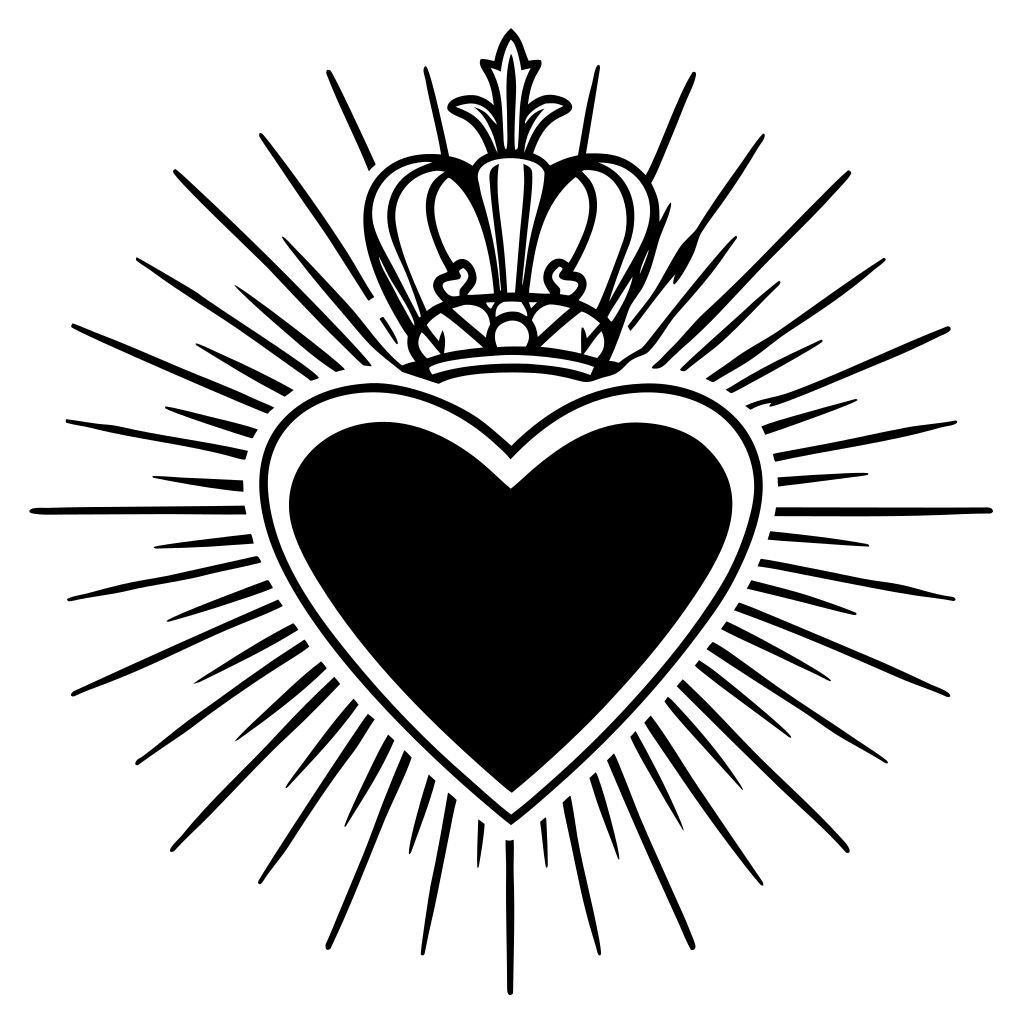
4.5″Chicano crowned heart
 4.5″
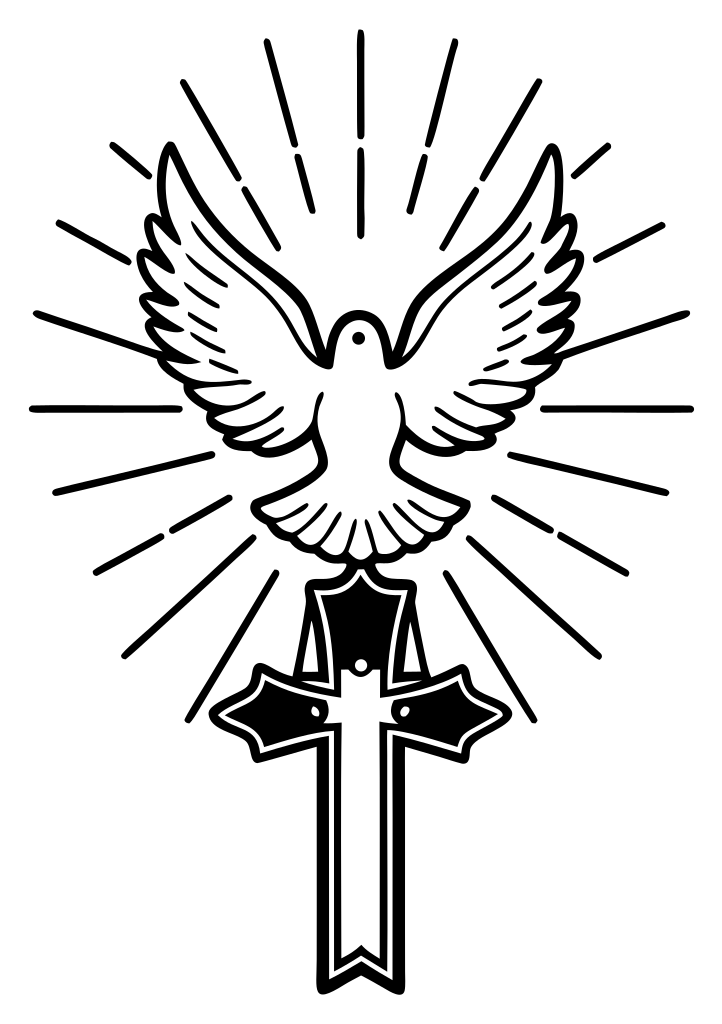
4.5″Dove over cross with rays
No designs match these filters. Clear a filter to see the rest.
§1Where the Chicano style comes from
Chicano tattooing grew up in Mexican-American Los Angeles. NPR traces its black and grey look to East LA and to California prisons of the 1970s, where the work was fine lines and soft grey shading. When those clients started walking into street shops, they asked for the same thing. One East LA shop of that decade, Good Time Charlie’s Tattooland, switched its machines to a single needle to give it to them.
The subjects are personal and often religious: lettering, roses, portraits of family, Catholic imagery. A lot of this work turns up in search as “gangster” or “hood” tattoos. The designs here stay with the faith and family side of the style.
§2What is on this page
CR-05 Praying hands with rosary is the classic, and the pose goes back to Albrecht Dürer’s 1508 drawing of an apostle’s hands. Rosaries also run through R-12 Chicano rose with rosary and BF-09 Chicano butterfly with rosary. AN-05 Chicano praying angel and CR-12 Tall cross with banner are the two tall pieces, 7 in by default, for a back or a sleeve. The banner on CR-12 is left blank for a name, a date or a short phrase in your own lettering.
SK-04 Sugar skull follows the calavera, the decorated skull of Mexico’s Day of the Dead. The set also has HT-09 Chicano crowned heart, CC-06 Chicano clock with clouds and FL-11 Chicano calla lilies. If you searched for San Judas, Santa Muerte or a money bag, those are not in this set.
§3Stencils for black and grey work
A stencil carries lines, not shading. In black and grey the artist builds the grey freehand, so the stencil is there for placement and proportion. Bring the printed outline along as a clean reference.
The flash version of each design on this site is in flat color. Chicano pieces are rarely finished that way, so use it only to see the shapes.
Lines that sit close together, like rosary beads or fingers, run into each other when a design is shrunk. Keep these near their default size. On a forearm (3–6 in) start with HT-09, BF-09 or SK-04 at 4.5 in. A chest (3–10 in) has room for CR-05 and R-12 at 5.5 in. The two tall pieces want a back (4–10 in) or a sleeve.
Size ranges from published charts by Saved Tattoo and Inkjin.
§4Questions
Q1Is there an easy Chicano stencil for a beginner?
No. Every design here is marked detailed and drawn for fine-line shading, which is a lot to ask of a first stencil. Start with the beginner collection and come back to these.
Q2Why are Chicano tattoos black and grey?
The style took shape in East LA and California prisons in the 1970s as fine-line black and grey work. Clients carried that look into street shops, and it stayed the standard for the style.
Q3What does a praying hands tattoo mean?
It is usually worn as a sign of faith or as a prayer. The best-known version of the pose is Albrecht Dürer’s drawing from around 1508, now in the Albertina in Vienna.
Q4What is a sugar skull tattoo?
A skull drawn like the calaveras of Mexico’s Day of the Dead, decorated rather than grim. Real sugar skulls are pressed in molds and often carry the name of the person being remembered.